

Schedule
SECURE MIAMI AGENDA 2026


Opening Remarks


Many orgs will face business-led AI failures that security and IT are asked to “bail out.” This panel focuses on real operating models: AI intake + inventory, risk tiering, rapid approvals, training data hygiene, and incident playbooks for AI-driven mishaps.
Moderator:
 Michael Assraf
Founder and CEO at Flamingo
Panelists:
 Collin Chapleau
Senior Director, Security & AI Strategy, FCISO at Darktrace
 Curt Aubley
Chief Executive Officer at Sevii.ai
 Jason Trunk
Field CTO at Island
Panel: Moving from Detect/Respond to Disrupt with Preemptive Cybersecurity & Exposure Management
What does “preemptive” look like beyond marketing? In this panel we'll discuss predictive threat prevention, deception, moving target defense, and exposure management that measurably reduces risk before alerts fire. How leading teams prioritize by attack paths, business impact, and exploitability. We'll discuss operating rhythms: remediation SLAs, asset ownership, exception governance, and “risk burn-down” reporting that boards understand.
Moderator:
 Lawrence Embil
CISSP, CAIO, CCSP, CISM, CISA, PMI-ACP, Manager, Security Architecture, Risk and Compliance, Incident Response at Miami-Dade County
Panelists:
 Melissa Bischoping
Head of Threat Research & Intelligence at Tanium
 Christopher Nieves
Solutions Engineer at Netwrix_Jeremy%20Rodgers.png?width=78&height=78&name=Secure%20Miami%202026%20Speaker%20Headshots%20(9)_Jeremy%20Rodgers.png) Jeremy Rodgers
Jeremy Rodgers
CTO Government, Health and Education at Armis
_KASIMIR%20SCHULZ.png?width=1080&height=1080&name=Secure%20Miami%202026%20Speaker%20Headshots%20(1)_KASIMIR%20SCHULZ.png)
Rather than cataloging attacks, the discussion focuses on why common AI security approaches fall short, including brittle safeguards and limited visibility once systems are in use. As AI systems become more agentic, small failures or exploitations can have outsized impact, allowing models to take actions, influence other systems, or compound mistakes at scale. The talk closes by outlining how security teams can reason more clearly about AI risk today and what needs to change as these systems continue to evolve.

Ransomware, Shadow AI, and the Race for Your Data
Data has become the primary currency of modern cybercrime. Today, the vast majority of ransomware attacks involve data exfiltration, transforming ransomware from a disruption tactic into a powerful tool for extortion. Organizations are no longer just facing system downtime, they’re confronting regulatory exposure, reputational damage, and long-term loss of trust.
At the same time, the threat landscape is expanding beyond traditional cybercriminal activity. Insider threats and Shadow AI, unsanctioned AI tools used by employees to process corporate data, are introducing new and often invisible pathways for sensitive information to leave the organization. As AI-driven productivity tools become widespread, data can move beyond corporate controls without security teams realizing it.
In this evolving environment, attackers share a common objective: extract valuable data before defenses react.
This session explores why data exfiltration now sits at the center of cyber risk, how ransomware tactics have evolved, and why organizations must rethink how they protect sensitive information at the endpoint. Attendees will gain insight into emerging data loss risks, the limitations of detection-only strategies, and why prevention-focused approaches are becoming essential in defending against modern cyberthreats.
Attendees will learn:
-How ransomware has evolved from encryption attacks to data exfiltration and extortion
-How Shadow AI is creating new, often invisible, data exposure risks
-Why endpoints and insider activity remain critical vulnerability points
-The limitations of detection-only security strategies
-Why prevention-focused approaches are becoming essential for protecting sensitive data

Fragile by Design: Large-Scale Evidence of Supply Chain Risk
Within the modern infrastructure, everything becomes an identity: employees, contractors, service accounts, workloads, agents, APIs. This panel covers modern IAM practice: MFA-resistant phishing, privileged access, identity governance, SaaS sprawl, and third-party access that doesn’t become your next breach headline.
Moderator:
 Robert Kraczek
Global IAM Strategist at One Identity
Panelists:
 Antonio Muñoz
CEO & Co-Founder at Zepo Intelligence
 Chuck Grindle, Ph.D.
Executive Advisor, Public Sector at Proofpoint
 Ignacio Alvarez
Founder & Managing Partner at Algo Law Firm
Panel: Incident Response 2026: Speed, Ransomware Reality, and Crisis Comms That Don’t Fail
What IR looks like when ransomware crews move fast and public pressure is high. On this panel, participants will share their point of view on operational essentials: tabletop exercises that matter, log readiness, identity containment, immutable backups, third-party breach coordination, and building a comms/legal playbook that reduces chaos.
Moderator:
 Kurtis Minder
Cyber Leader and Author of Cyber Recon
Panelists:
 Chipper Jones
Regional Sales Manager at Stellar Cyber
 Juan Escobar
Channel Sales Account Manager at Fortinet
 Marvin Wheeler
Co-Founder and CEO at Tier4AI

Accelerate Your AI Transformation with Confidence
You will learn how to:
Monitor: Gain full visibility into agent actions with deep identity and application context.
Govern: Enforce custom behavioral policies using simple natural language to block risky tools in real-time.
Remediate: Instantly undo destructive agent mistakes with one-click rewind capabilities

In a landscape defined by chaotic threats—from AI-driven attacks to operational fragility—the industry standard has settled on "resilience": the ability to withstand a hit. But resilience is merely survival. To thrive, we must evolve back to the ultimate power in security and business: Prevention.
Panel: Protecting Critical Institutions in the AI Era
Healthcare systems and universities sit at the sharpest edge of the AI powered threat landscape. They are high value targets, rapid AI adopters, and stewards of highly sensitive student and patient data. For security leaders, the mandate is both familiar and fundamentally new: protect core operations while those operations are being reshaped by machine speed, autonomous workflows, and an expanding web of connected devices, students, patients, and staff.
In this fireside conversation, panelists will explore how today’s defining security challenges, including AI expanded attack surfaces, shadow AI, self-inflicted risk, and the pressure to demonstrate measurable impact, are being translated into practical governance and resilience strategies for institutions that cannot afford to slow down.
Moderator:
 William Mendez
Chief Information Security Officer at DigitalEra
Panelists:
 Helvetiella Longoria
Chief Information Security Officer at Florida International University
_Connie%20Barrera.png?width=78&height=78&name=Secure%20Miami%202026%20Speaker%20Headshots%20(11)_Connie%20Barrera.png) Connie Barrera
Connie Barrera
Chief Information Security Officer at Jackson Health System
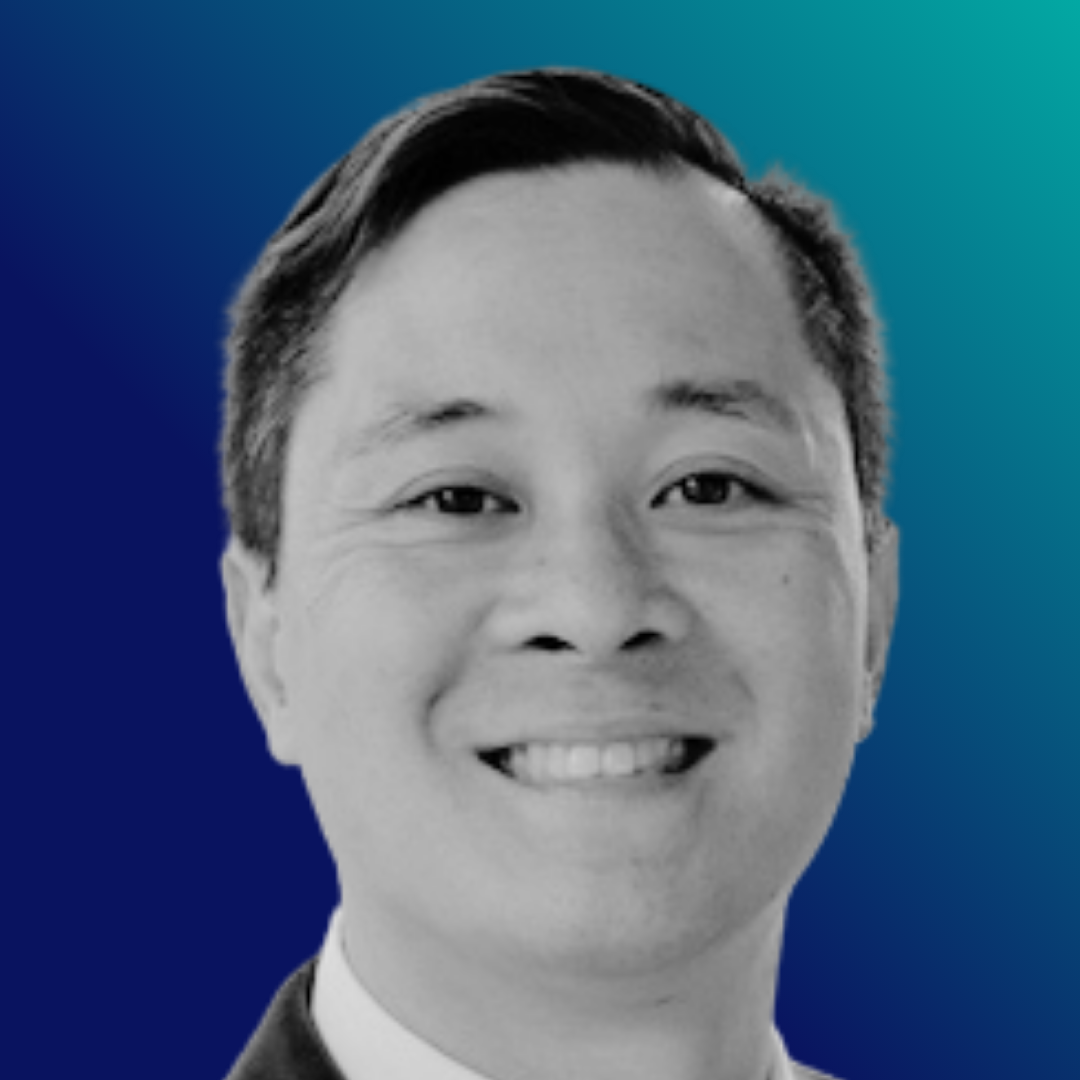
Protecting the Prompt (and more)
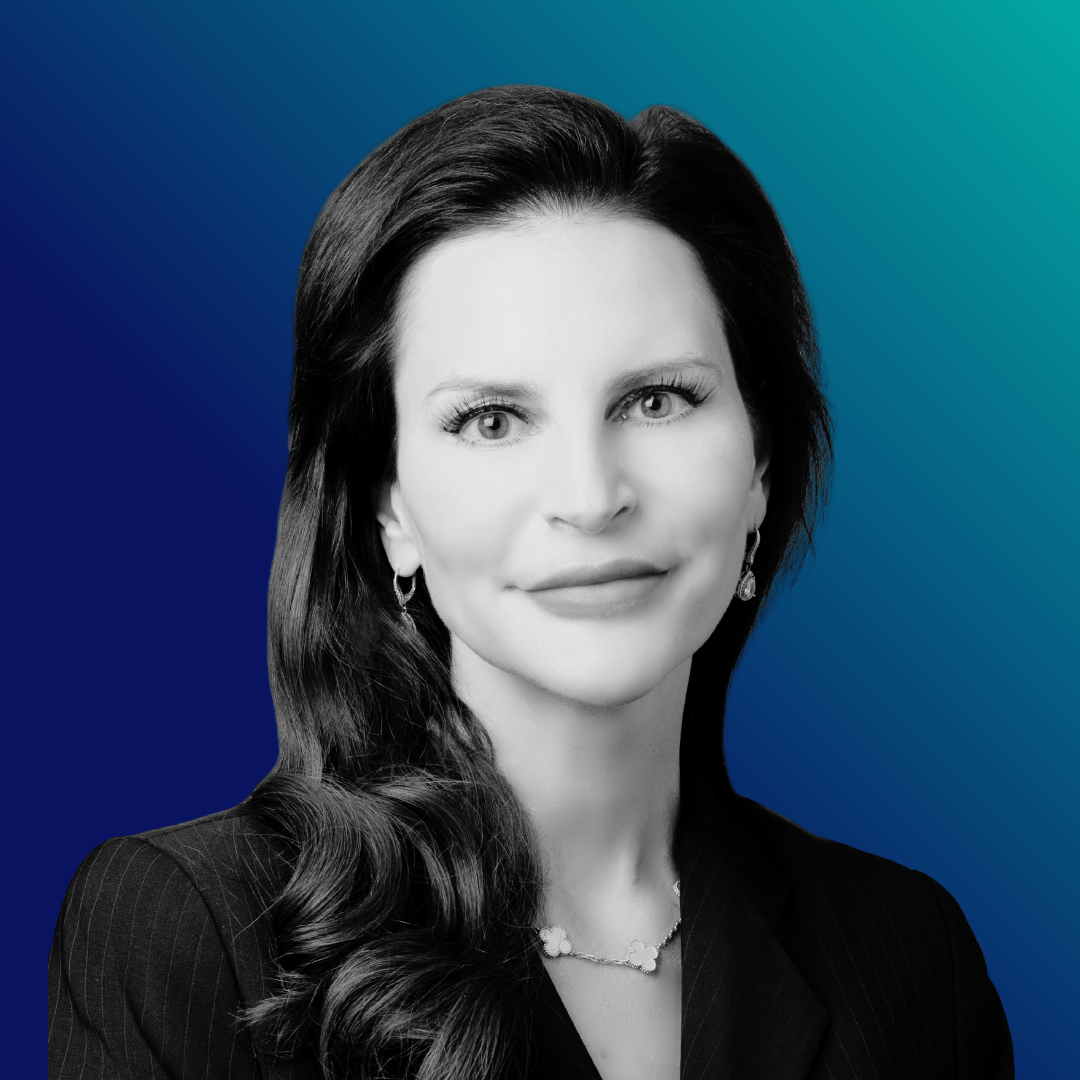
The New Cyberthreat Landscape
Rachel will describe the current cybersecurity threats facing companies and institutions from nation states like Russia, North Korea and Iran, from cyber organized crime syndicates, and from individual hackers looking to make money or create mayhem.
Cybersecurity Threats in 2026:
Rachel will define 2026 cyber threats as "The Three R's - Russia, Ransomware, and Resilience" and will explain the strategic importance and tactical implications of each.
The New Threat - Artificial Intelligence:
Rachel will walk us through the benefits and the detriments of artificial intelligence as it pertains to cybersecurity.
Action Steps:
Drawing from her experience at the NSA and in the financial sector, she will discuss what professionals need to be considering in the current cyber risk environment and describe the aspects of an effective corporate cyber resiliency strategy.